
Our Latest Blogs !
Explore the latest insights, trends, and updates in logistics and supply chain management with
Race Lineage Logistics – driving efficiency in the fast lane.

Explore the latest insights, trends, and updates in logistics and supply chain management with
Race Lineage Logistics – driving efficiency in the fast lane.

The recent visit of Qatar’s Emir, Sheikh Tamim bin Hamad Al-Thani, to India has sparked discussions about a potential Comprehensive Economic Partnership Agreement (CEPA) between the two nations. While such a trade pact aims to boost bilateral trade to $28 billion by 2030, experts caution that India must tread carefully, especially in the petrochemical sector, to avoid adverse effects on domestic industries.
The Trade Imbalance: A Cause for Concern
India’s trade with Qatar has seen fluctuations, with a decline from $18.77 billion in 2022-23 to $14 billion in 2023-24. A major issue is the trade deficit, as India’s imports from Qatar far exceed its exports.
– India’s Imports from Qatar (2023-24): $12.34 billion
– LNG: $6.3 billion
– Butane & Propane (for LPG production): $3.1 billion
– Petroleum Crude: $1.1 billion
– India’s Exports to Qatar: $1.7 billion
– Basmati Rice: $124 million
– Articles of Iron & Steel: $200 million
– Machinery: $106 million
This stark difference underscores the need for balanced trade negotiations to ensure fair market access for Indian exports.
Petrochemicals and Energy: A Sector to Watch
Qatar is a dominant supplier of LNG, LPG, petrochemicals, plastics, and chemicals to India. While a CEPA could lead to reduced tariffs on these imports, India’s domestic petrochemical industry may face increased competition from cheaper Qatari products. The Global Trade Research Initiative (GTRI) warns that tariff concessions should not undermine local industries.
Additionally, India already has a significant trade deficit with Qatar, and further market liberalization could widen this gap unless trade benefits are structured carefully.
The Role of the Export-Import Community
For India’s export and import businesses, a potential CEPA presents both opportunities and challenges:
1. Opportunities:
– Reduced tariffs could make Indian goods more competitive in Qatar.
– Expansion of service sector trade and investment opportunities.
– Potential for increased FDI inflows from Qatar (already at $1.5 billion since 2000).
2. Challenges:
– Risk of Qatar flooding the Indian market with low-cost petrochemical products.
– Need for safeguards to protect India’s refining and petrochemical industries.
– Ensuring diversification of exports to Qatar beyond current agricultural and metal products.
The Road Ahead
As India and Qatar explore a CEPA, it is crucial to strike a balance between trade liberalization and protecting domestic interests. The agreement should ensure:
– Equitable tariff concessions across sectors.
– Enhanced market access for Indian products beyond traditional exports.
– Incentives for Indian exporters to bridge the trade deficit.
For businesses engaged in import-export, logistics, and supply chain management, the evolving India-Qatar trade landscape presents new opportunities and strategic challenges. Staying informed and preparing for policy shifts will be key to maximizing benefits from any future trade agreements.
At Race Lineage Logistics, we continue to monitor global trade trends and support businesses in navigating international trade complexities. Stay tuned for more insights on global trade developments!
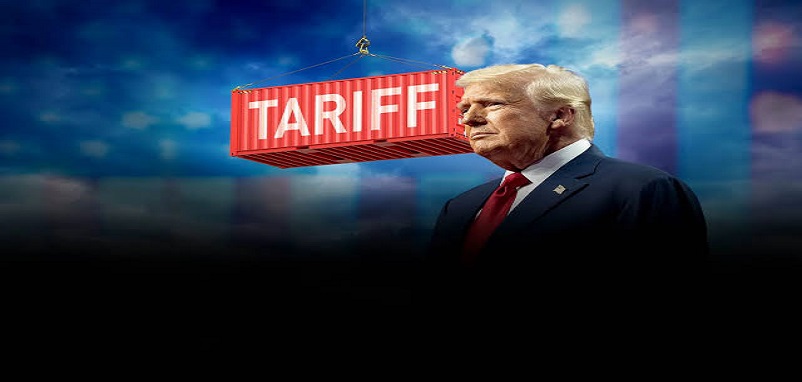
The recent threat by former U.S. President Donald Trump to impose higher tariffs on automobile and pharmaceutical imports has not caused much concern among Indian exporters. Industry experts believe that even if such duties are implemented, Indian companies will remain competitive, as global rivals will face similar challenges.
Minimal Impact on Indian Pharma & Auto Sectors
Indian pharmaceutical companies, which dominate the U.S. generic drug market by supplying over 40% of its generic prescriptions, are confident that increased tariffs won’t significantly impact their market presence. Their cost efficiency and established supply chains provide a strong cushion against any potential tariff hikes.
Similarly, in the automobile sector, India’s import duty on auto components is only 7.5%, making any reciprocal tariffs from the U.S. relatively insignificant. In 2023-24, India exported auto parts worth $6.69 billion to the U.S. while importing only $1.6 billion. Even in a worst-case scenario, industry analysts suggest that Indian auto exporters would not suffer major losses.
Trade War Concerns, but No Panic
Donald Trump has hinted at imposing a 25% tariff on autos, semiconductors, and pharmaceuticals, with an official announcement expected by April 2. While this could escalate trade tensions, Indian exporters remain optimistic, believing that the global impact will level the playing field.
In conclusion, while Trump’s tariff threats may shake global markets, Indian exporters remain resilient, leveraging their competitive advantage and market dominance to withstand any potential trade disruptions.
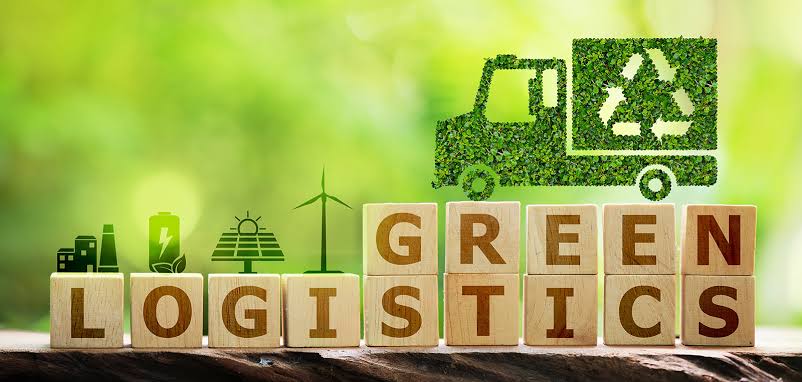
In recent years, sustainability has taken center stage across industries, and logistics is no exception. As global trade expands, the environmental impact of transport and supply chain operations has come under scrutiny. Green logistics is no longer just a trend; it’s a necessity for businesses looking to meet regulatory requirements, consumer expectations, and environmental goals.
Here’s a closer look at the rise of green logistics and the sustainability trends shaping the future of global trade and transport:
1. The Push Toward Carbon Neutrality
Many countries and corporations are committing to achieving net-zero carbon emissions. This has led logistics companies to adopt eco-friendly practices, such as:
– Transitioning to electric and hybrid vehicles for transportation.
– Partnering with green warehouses powered by renewable energy.
– Implementing carbon offset programs for emissions that cannot be avoided.
2. Use of Alternative Fuels
Traditional fossil fuels are being replaced with cleaner alternatives like biodiesel, hydrogen fuel cells, and liquefied natural gas (LNG). These fuels significantly reduce greenhouse gas emissions and improve fuel efficiency, especially in long-haul transport.
3. Sustainable Packaging Solutions
E-commerce and global trade heavily rely on packaging, often contributing to waste. The rise of sustainable packaging—such as biodegradable materials, recycled plastics, and reusable containers—has become a cornerstone of green logistics. Businesses are now prioritizing eco-friendly packaging to align with sustainability goals.
4. Integration of Smart Technologies
Technological advancements are driving efficiency in green logistics. Key innovations include:
– AI and Machine Learning: Optimizing routes to reduce fuel consumption.
– Blockchain: Enhancing transparency in supply chains to track and verify sustainable practices.
– IoT Sensors: Monitoring cargo to minimize waste, especially for temperature-sensitive goods.
5. Focus on Circular Supply Chains
The concept of circular supply chains emphasizes reusing and recycling materials to reduce waste. For instance, companies are adopting reverse logistics to reclaim products and materials after use, ensuring minimal environmental impact.
6. Regulations Driving Change
Governments and international bodies are enforcing stricter environmental regulations, such as the IMO’s decarbonization targets for shipping and the European Green Deal. Logistics companies must comply with these policies to remain competitive in global trade.
7. Consumer Demand for Sustainable Practices
Modern consumers are more environmentally conscious than ever before. They prefer brands that prioritize sustainability throughout their supply chain, from sourcing raw materials to delivering finished products. Green logistics helps businesses cater to this demand while building a positive brand image.
8. Collaboration Across the Supply Chain
Sustainability in logistics requires collaboration between manufacturers, transport providers, and end-users. Shared goals and partnerships enable efficient resource utilization, reduced emissions, and a collective effort toward greener trade practices.
Conclusion
The rise of green logistics is reshaping the global trade and transport industry. Companies that invest in sustainable practices not only contribute to a healthier planet but also gain a competitive edge by meeting consumer expectations and regulatory demands.
As technology evolves and sustainability becomes integral to business strategy, the future of logistics is set to be greener and more innovative than ever. By embracing these trends, companies can drive meaningful change and secure long-term success in the global marketplace.
For more insights on logistics trends, follow Race Lineage Logistics—where innovation meets sustainability!
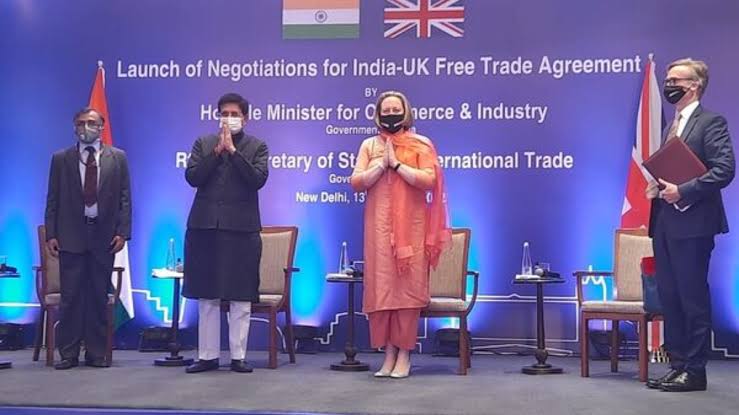
India is actively pursuing Free Trade Agreements (FTAs) to strengthen its global trade partnerships, with a key focus on finalizing a deal with the United Kingdom. The India-UK FTA is expected to reshape trade dynamics, impacting industries, businesses, and the logistics sector.
Understanding Free Trade Agreements (FTA)
A Free Trade Agreement (FTA) is a pact between two or more countries to reduce or eliminate import duties on a majority of traded goods. It also aims to minimize non-trade barriers, facilitate service exports, and boost investments. FTAs play a crucial role in creating a competitive market, fostering economic growth, and enhancing trade efficiency.
Logistics and Trade Under the India-UK FTA
For the logistics industry, an FTA brings multiple advantages:
– Faster Customs Clearance: Reduced tariffs and streamlined trade procedures will lead to quicker movement of goods, reducing delays at ports and customs checkpoints.
– Lower Shipping Costs: With duty reductions, businesses will witness a decline in logistics costs, benefiting manufacturers, exporters, and consumers.
– Increased Trade Volume: The India-UK trade relationship, already valued at £41 billion, is expected to grow as more Indian goods gain duty-free access to the UK market.
– Infrastructure Growth: Higher trade activity will drive investments in ports, warehouses, and transportation networks, strengthening India’s supply chain ecosystem.
Potential Challenges for the Logistics Industry
While FTAs offer significant benefits, they also come with certain challenges:
– Competitive Pressure: Domestic transport and logistics providers may face increased competition from global players entering the Indian market.
– Regulatory Adjustments: Companies will need to adapt to new compliance requirements, documentation standards, and customs regulations under the FTA.
– Sectoral Disruptions: Lower import duties on certain UK goods, such as automobiles and scotch whisky, could impact domestic manufacturers, indirectly affecting logistics demand in those sectors.
What’s at Stake for India?
India aims to secure better access for its students and professionals in the UK, alongside reduced tariffs on key exports such as textiles, apparel, and agricultural products. On the other hand, the UK is pushing for lower import duties on luxury items and expanded market access for its financial and legal services.
The Future of India-UK Trade and Logistics
The India-UK FTA holds immense potential to redefine trade routes, logistics strategies, and supply chain efficiencies. As trade barriers lower and market access expands, logistics companies must stay ahead by upgrading infrastructure, embracing digitalization, and optimizing operations to meet the growing demands of a globalized trade environment.
With the FTA set to transform bilateral trade, the logistics industry must prepare for a future where speed, efficiency, and adaptability define success in the fast lane of global commerce.
Explore the latest insights, trends, and updates in logistics and supply chain management with Race Lineage Logistics – driving efficiency in the fast lane.