
Cultural lenses on gambling How different societies perceive chance and luck
The Historical Roots of Gambling
Gambling has a rich historical tapestry that varies widely across cultures. Tracing back to ancient civilizations, it is evident that games of chance played a significant role in society. In China, for instance, gambling is believed to have begun during the Shang Dynasty, where evidence of dice games dates back over 3,000 years. These early forms of gambling were often connected with military strategies and decision-making, showing that chance was not merely viewed as luck but intertwined with fate and destiny. Today, platforms like fatpiratecasinos.com offer modern interpretations influenced by these long-standing traditions.

In contrast, ancient Roman society had a different take on gambling. It was viewed as an acceptable pastime, especially among the elite. The Romans engaged in various games that involved betting, including dice and board games. Laws were enacted to regulate gambling activities, indicating that while it was popular, there was also a recognition of its potential dangers. This duality reflects how chance was perceived not only as a source of entertainment but also as a potential threat to social order.
The evolution of gambling practices continued through the ages, influenced by religious beliefs and societal norms. In medieval Europe, for example, gambling faced scrutiny from the Church, which viewed it as morally questionable. Yet, despite opposition, activities like lotteries were used to fund public projects, indicating that societies often balanced moral concerns with economic needs. This historical context demonstrates how diverse perceptions of luck and chance are shaped by cultural and social frameworks.
Eastern Perspectives on Luck and Fortune
In many Eastern cultures, particularly in China, the concepts of luck and fortune are deeply embedded in the social fabric. The notion of ‘feng shui’ highlights the belief that environmental factors can influence personal luck. Thus, gambling, often associated with fortune, is approached with rituals and traditions to enhance positive outcomes. The Chinese New Year, for example, is a time when many engage in gambling activities to bring good fortune for the year ahead, reflecting a societal reverence for luck.
Japan, too, has a unique relationship with gambling. The traditional game of ‘pachinko’ merges elements of chance with skill, reflecting a cultural appreciation for both luck and strategy. While gambling has historically faced legal restrictions, it remains popular, illustrating how society navigates the line between cultural traditions and legal constraints. In Japan, the perception of gambling is nuanced, often seen as a form of entertainment rather than mere luck-based activity.
This Eastern perspective is further enriched by the philosophical underpinnings of Buddhism and Confucianism, which stress the importance of karma and moral integrity. The interplay of chance and choice in gambling reflects a broader understanding of life itself, where luck is not the sole determinant of success. Such cultural lenses encourage a more profound contemplation of how societal values shape the perception of gambling, luck, and chance.
Western Views on Chance and Risk
In the Western world, perceptions of gambling are often influenced by a blend of historical events and contemporary societal values. The Enlightenment period marked a significant shift in attitudes towards chance, as scientific rationalism began to dominate. This era fostered a belief in individual agency and the idea that outcomes could be influenced by personal decisions, leading to a more complex relationship with luck and gambling.
The concept of risk is particularly prominent in Western gambling cultures, where individuals often assess probabilities before placing bets. In countries like the United States, casinos and betting industries thrive on the thrill of chance, emphasizing the excitement of potentially winning big. This contrasts sharply with cultural perspectives that view gambling as a serious moral issue, showcasing the diversity in understanding luck and chance across societies.
Moreover, the portrayal of gambling in popular media has shaped public perceptions significantly. Movies and television often glamorize the lifestyle of gamblers, framing them as daring adventurers who brave the odds for fame and fortune. This dramatization can lead to an understanding of luck that leans toward the romantic, overlooking the risks involved. Consequently, Western views of chance are often characterized by a blend of exhilaration and caution, highlighting a complex and multifaceted relationship with gambling.
Indigenous Views on Gambling and Chance
Indigenous cultures around the world have their unique perspectives on gambling and chance, often intertwined with spiritual beliefs and community practices. For many Indigenous tribes in North America, traditional games served as a means of social bonding rather than merely a form of gambling. These games often carried significant cultural and spiritual meanings, where winning was not the sole objective but rather a celebration of community ties and shared experiences.
In some Indigenous cultures, gambling is approached with a sense of reverence and caution. There is often a belief that the spirits control the outcomes of games of chance. Therefore, rituals may precede gambling activities to seek favor or ensure that the game is played in a respectful manner. This perspective on luck transcends mere chance, intertwining spirituality with the social dynamics of gambling.
Additionally, these Indigenous views challenge the mainstream understanding of gambling, offering a holistic interpretation that encompasses social, cultural, and spiritual dimensions. Such perspectives invite a broader dialogue on how different cultures perceive luck, chance, and the role of gambling in society. The complexity of these views demonstrates the diverse cultural lenses through which gambling is understood and practiced.
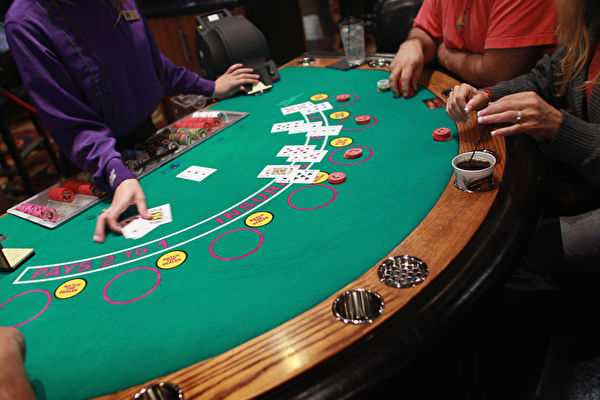
Exploring Online Gambling at Fat Pirate Casino
As global views on gambling continue to evolve, online platforms like Fat Pirate Casino are at the forefront of this transformation. Offering a vast array of games and competitive betting options, the site provides a modern take on traditional gambling practices. With advanced technology and user-friendly interfaces, players can engage with games that reflect the diverse cultural interpretations of luck and chance.
At Fat Pirate Casino, the emphasis on security and fast payments ensures that players can enjoy their gaming experiences without undue stress. This focus aligns with contemporary expectations of safety and reliability in gambling, making it an attractive choice for both seasoned gamblers and newcomers. The platform also features exciting promotions and rewards, enhancing the gaming journey for users.
In this rapidly changing landscape, understanding cultural lenses on gambling can enrich the experience of players. By engaging with different interpretations of luck and chance, participants can appreciate the global tapestry of gambling and its significance across various societies. Fat Pirate Casino embodies this cultural dynamism, inviting players to explore games that resonate with their individual beliefs and values about chance.